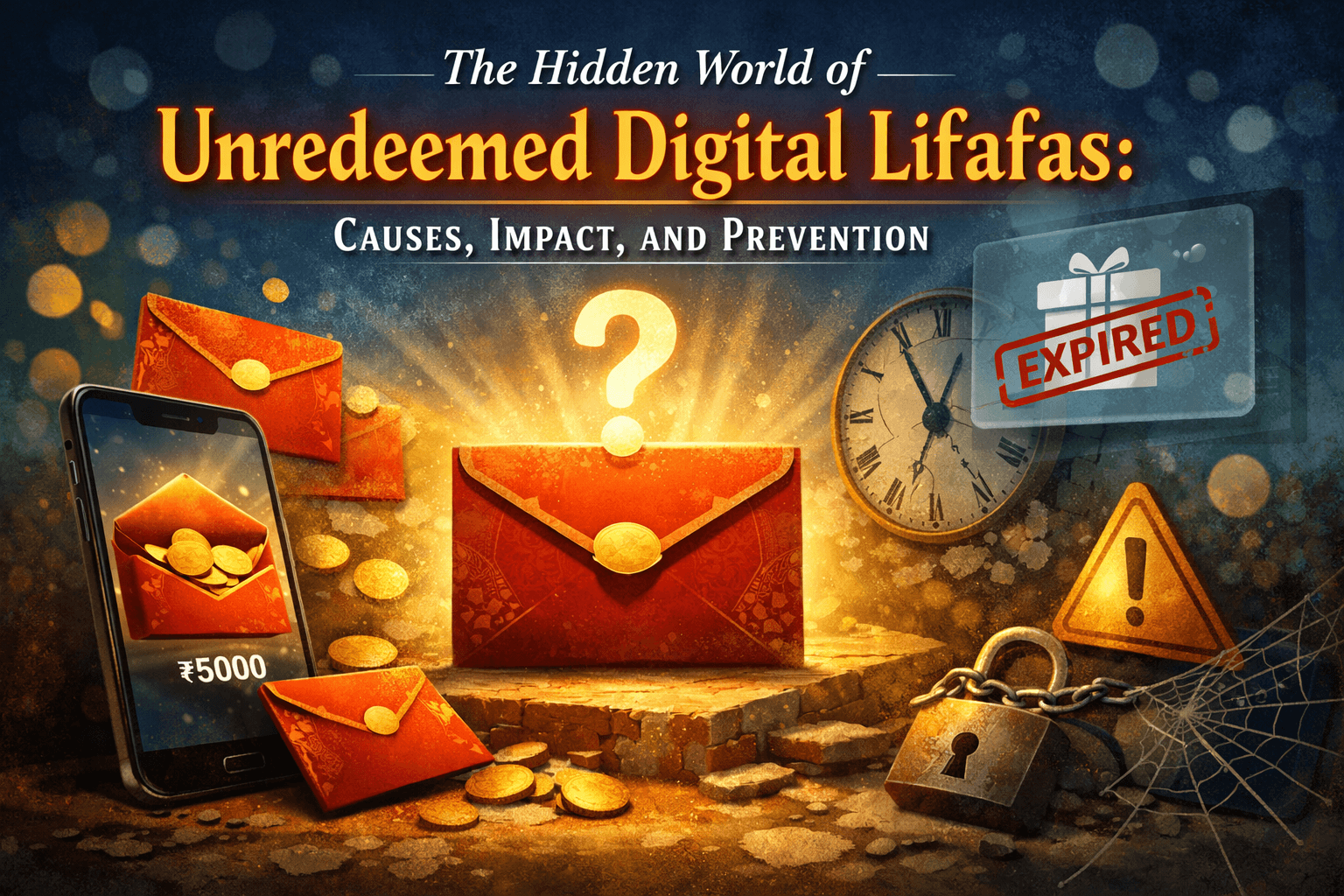
The Hidden World of Unredeemed Digital Lifafas: Causes, Impact, and Prevention
The tradition of gifting money through a lifafa has long been an integral part of South Asian culture, symbolizing blessings, goodwill, and celebration. In today’s digital age, this custom has evolved into virtual formats known as digital lifafas, shared through mobile apps, fintech platforms, and online reward systems. However, a growing phenomenon has emerged alongside this transformation. Many digital lifafas remain unredeemed.
This article explores how digital lifafas function, why they go unclaimed, and what can be done to reduce this issue.
From Cultural Practice to Digital Format
Traditionally, lifafas were physical envelopes exchanged during weddings, festivals, and family events. They carried emotional meaning along with financial support. With the rise of digital payments, this concept has shifted into online platforms.
Digital lifafas now allow instant transfers and often include messages, animations, or interactive elements. They are used not only for personal gifting but also for corporate rewards, promotional campaigns, and app-based incentives.
Understanding Unclaimed Digital Lifafas
An unclaimed digital lifafa occurs when the sender completes the transfer process but the recipient does not redeem the funds within the allowed time.
Basic Process
- A digital envelope or claim link is created
- Funds are placed in a secure holding system
- The recipient receives a notification
- The recipient does not complete the claim
If the final step is missed, the lifafa remains unclaimed.
Lifecycle of a Digital Lifafa
Digital lifafas follow a structured process:
- Creation of the envelope
- Active period for claiming
- Pending or unclaimed status
- Expiration after deadline
- Final resolution based on platform rules
Understanding this cycle helps users track and manage transfers effectively.
Where Unclaimed Lifafas Appear
Unclaimed lifafas can arise in different situations:
- Wedding and festive gifting
- Corporate bonuses or incentives
- App-based rewards and cashback
- Banking notifications such as dividends
- Government benefit transfers
In digital environments, users often overlook rewards that require manual claiming.
Reasons Behind Unclaimed Funds
Several factors contribute to lifafas being left unclaimed:
- Missed notifications or emails
- Outdated phone numbers or email addresses
- Uninstalled or inactive apps
- Technical issues during redemption
- Lack of awareness about the reward
Even physical envelopes can be forgotten during busy events, showing that this issue is not entirely new.
Financial Impact of Unclaimed Lifafas
Unclaimed lifafas represent more than small missed rewards. They reflect a broader issue of dormant financial assets. Across financial systems, unclaimed money such as dividends, insurance payouts, and inactive balances can accumulate over time.
Financial institutions typically hold these funds securely, but they remain unused until claimed. This highlights the importance of awareness and proper tracking.
Security and Transaction Protection
Digital lifafa systems rely on secure methods to manage funds:
- Escrow systems hold money until claimed
- Automated systems ensure fair handling
- Platforms maintain transaction transparency
These mechanisms help build trust between senders and recipients.
Expiry Rules and Fund Handling
Most platforms set a deadline for claiming digital lifafas. If the recipient does not act within this period:
- Funds may return to the sender
- Platforms may retain the amount
- Funds may move to regulated accounts
These rules encourage timely action and reduce inactive balances.
Role of Rewards and Gamification
Many apps use digital lifafas as part of engagement strategies. Users may receive rewards for:
- Completing tasks
- Watching advertisements
- Participating in promotions
While these systems are engaging, they depend on user awareness. Unclaimed rewards often expire unnoticed.
Fraud Risks and Safety Awareness
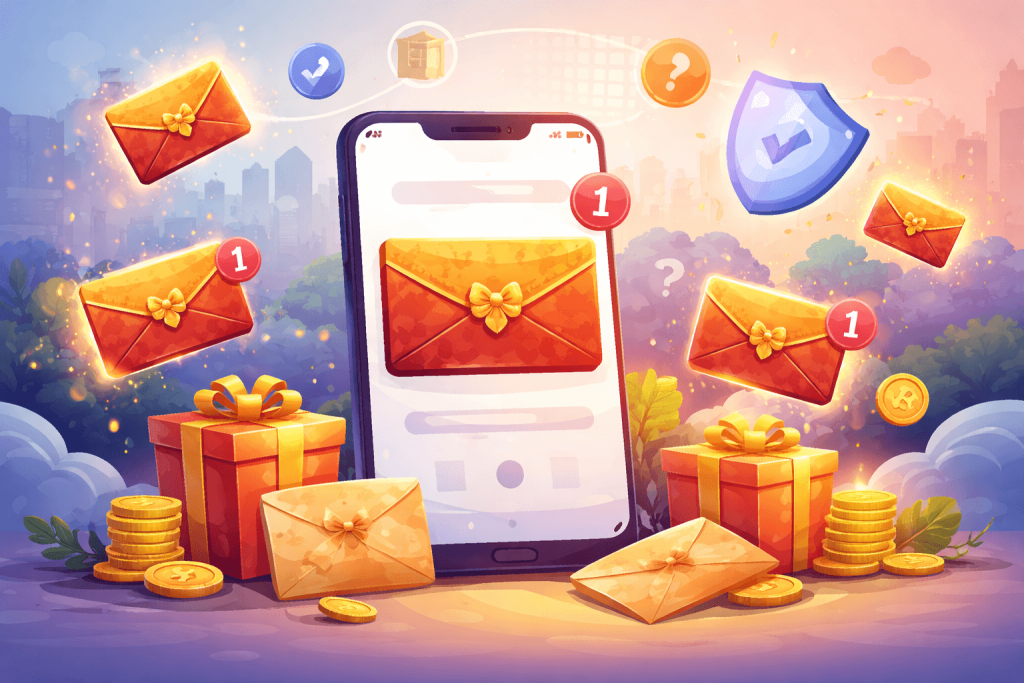
The increasing use of digital lifafas has also led to scams. Fraudulent messages may claim that users have unclaimed money and attempt to collect sensitive information.
Safety Practices
- Only trust verified platforms
- Avoid sharing personal or financial details
- Confirm messages through official sources
Staying cautious helps prevent financial loss.
Tracking and Recovery Options
Most financial apps allow users to monitor lifafa status. These features help users:
- Check whether funds are claimed
- Receive reminders
- Track pending transactions
Governments and institutions also provide systems to recover unclaimed funds such as dormant accounts and unpaid benefits.
Cultural Value Beyond Money
Even in digital form, lifafas continue to represent generosity and connection. When a lifafa goes unclaimed, it reflects not only unused money but also a missed gesture of goodwill.
How to Avoid Missing a Lifafa
To reduce the risk of unclaimed funds:
- Keep contact details updated
- Check apps and notifications regularly
- Maintain records of digital accounts
- Inform family members about financial assets
These simple steps can make a significant difference.
Looking Ahead
As technology advances, digital lifafa systems are expected to improve. Future developments may include better reminders, faster claim processes, and stronger security features. These improvements can help reduce the number of unclaimed transactions.
Conclusion
Digital lifafas combine cultural tradition with modern technology. While they offer convenience and creativity, unclaimed lifafas reveal gaps in awareness and user engagement.
By understanding how these systems work and staying attentive to notifications, individuals can ensure that both the financial value and emotional intent of each lifafa reach the intended recipient. Expand your perspective with Meaning Aura.
A former editor and grammar geek, David Langford has spent years refining the art of clear communication. He combines his journalism background with a knack for teaching, offering straightforward tips to master tricky grammar rules. When he’s not proofreading, he’s probably debating Oxford commas.