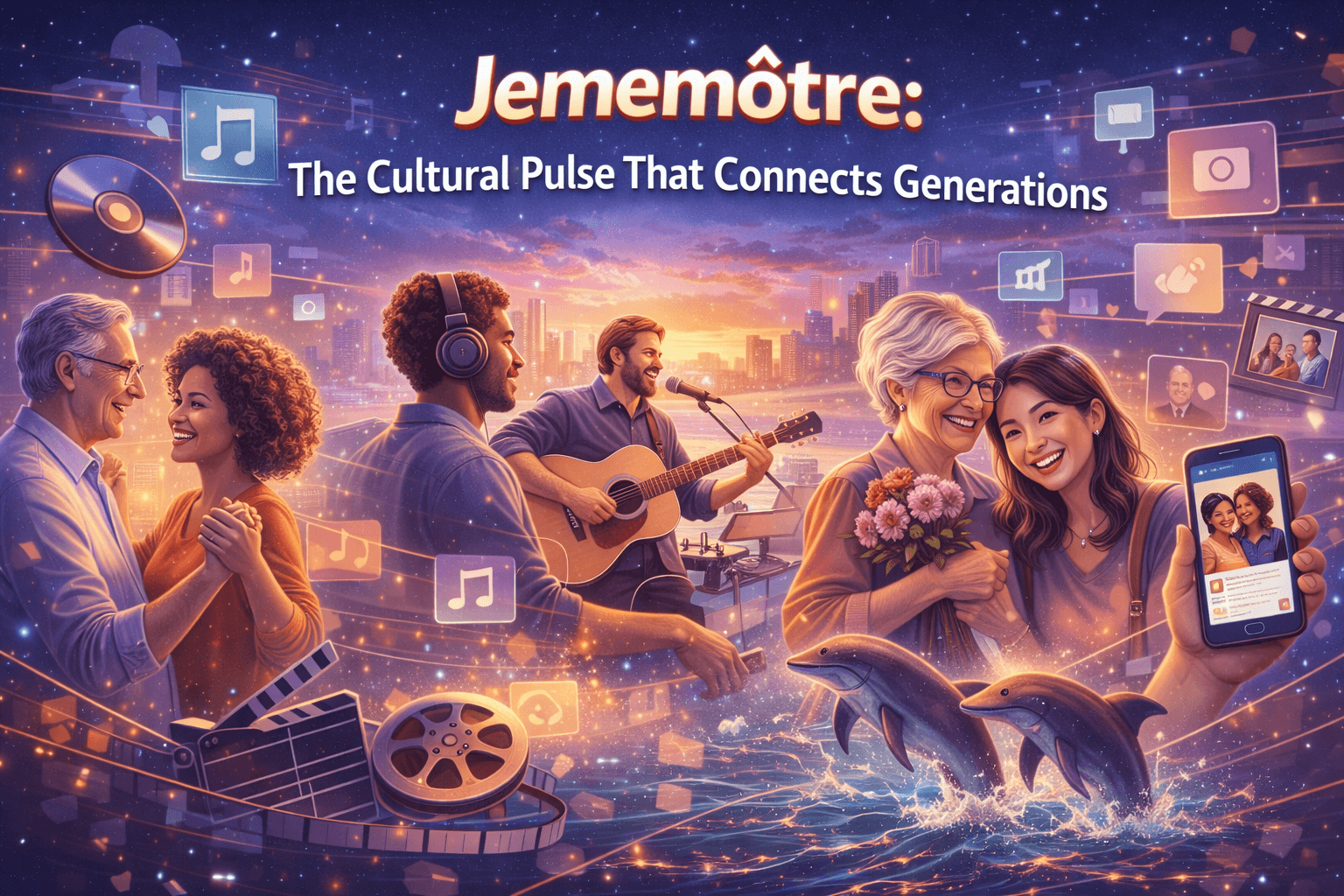
Jememôtre: The Cultural Pulse That Connects Generations
Introduction
Some traditions fade quietly over time. Others endure, evolving while still holding onto their essence. Jememôtre belongs to the latter.
At its core, jememôtre is more than just a cultural practice. It is a living, breathing expression of identity, memory, and shared human experience. Rather than being something observed from a distance, it invites participation. People don’t just witness jememôtre—they become part of it.
This unique tradition continues to unite communities, offering both a sense of belonging and a deeper understanding of heritage.
The Roots and Meaning of Jememôtre
The term jememôtre carries historical depth, originating from older linguistic traditions centered around unity, strength, and collective identity. From its earliest beginnings, it symbolized people coming together with a shared purpose.
That meaning still resonates today.
Jememôtre reflects the idea that culture is not fixed. It evolves with time while preserving its foundation. Across generations, it has provided emotional grounding, especially during periods of uncertainty. Stories, struggles, celebrations, and migrations have all shaped its identity.
What makes jememôtre remarkable is its balance between tradition and transformation. Even as societies change, its essence remains intact.
The Cultural Significance of Jememôtre
Jememôtre holds a unique place within communities because it actively shapes both identity and social connection.
It naturally bridges generational gaps. Elders pass down stories and wisdom, while younger members absorb and reinterpret these teachings. This exchange is not formal—it happens organically through shared experiences.
Gatherings centered around jememôtre often include music, dance, food, and craftsmanship. These elements are not separate—they work together to express cultural identity. Music carries memory, dance conveys emotion, and food strengthens bonds.
In a world where many feel disconnected, jememôtre offers something rare: a deep sense of belonging.
Experiencing Jememôtre in Real Life
Understanding jememôtre intellectually is one thing. Experiencing it firsthand is something entirely different.
The best way to engage with jememôtre is through community-led experiences. Local participants bring authenticity and personal insight that cannot be replicated elsewhere. Their stories often blend history with lived experience, creating a richer understanding.
Festivals are especially powerful moments to witness jememôtre in full expression. These events feature vibrant music, expressive dance, and traditional foods prepared with care. The atmosphere is immersive and full of energy.
Markets and artisan spaces also reflect the living nature of jememôtre. Handmade items like textiles, ceramics, and jewelry carry symbolic meaning. Purchasing them becomes more than a transaction—it becomes participation.
Workshops offer an even deeper connection. Whether it’s weaving, pottery, or storytelling, creating something yourself fosters appreciation for the patience and skill behind the tradition.

Core Practices That Define Jememôtre
Jememôtre is built on a combination of expressive and meaningful practices.
Ceremonial gatherings are often at the heart of the tradition. These events include structured dances and music, each movement and rhythm carrying symbolic significance.
Storytelling remains essential. Elders share narratives that preserve history while teaching important values like resilience and unity. These oral traditions keep the spirit of jememôtre alive in a deeply personal way.
Craftsmanship is another pillar. Artisans dedicate time and skill to creating items that reflect cultural heritage. The process itself is as important as the final product.
Food also plays a central role. Traditional dishes, often made from seasonal ingredients, are shared during gatherings. These meals represent hospitality, connection, and continuity.
Together, these elements form a cohesive cultural ecosystem that defines jememôtre.
Jememôtre in the Modern World
In recent years, jememôtre has gained renewed attention, particularly among younger generations.
Rather than fading, it is being rediscovered and reinterpreted. Digital platforms have helped share its stories with wider audiences, sparking curiosity and pride.
While some feared that modernization might dilute its authenticity, the opposite has often occurred. Increased visibility has strengthened engagement.
Educational programs now include cultural studies that highlight traditions like jememôtre as living practices rather than relics of the past.
Modern adaptations have also emerged. Traditional dances may blend with contemporary music, and classic crafts may influence modern design. These innovations attract new participants while keeping the tradition relevant.
The key to jememôtre’s survival lies in this balance between preservation and evolution.
Why Jememôtre Matters Today
Learning about jememôtre goes beyond cultural awareness—it expands perspective.
It shows that culture is not just decorative or historical. It is active, meaningful, and deeply tied to identity and community well-being. Jememôtre strengthens social bonds and supports emotional resilience.
Exploring such traditions also encourages self-reflection. It raises important questions about personal heritage and cultural roots.
Perhaps most importantly, understanding jememôtre fosters empathy. When people appreciate the depth of one tradition, they become more open to others. This openness builds respect and connection across cultures.
Conclusion
Jememôtre stands as a powerful example of how traditions can endure while adapting to change. It connects past and present, offering a sense of continuity in an ever-changing world.
Through storytelling, celebration, craftsmanship, and shared meals, jememôtre continues to shape identities and strengthen communities.
Engaging with jememôtre is not just about learning something new—it’s about recognizing the universal human need for connection, belonging, and shared meaning.
And in that sense, jememôtre is not just a tradition. It is a reflection of humanity itself. Unlock insight and inspiration at Meaning Aura.

A former editor and grammar geek, David Langford has spent years refining the art of clear communication. He combines his journalism background with a knack for teaching, offering straightforward tips to master tricky grammar rules. When he’s not proofreading, he’s probably debating Oxford commas.